
Global Labor in Limbo: Why Nepal Just Asked Saudi Arabia to Hit 'Pause'
7/2/2026
1. Introduction: The High Stakes Gateway
For thousands of Nepali families, the departure gate at Tribhuvan International Airport is more than just a terminal; it is the threshold of a dream. For the migrant worker, a job in Saudi Arabia represents the visceral hope of clearing ancestral debts, building a secure home, or funding a child’s education. However, that gateway has suddenly been obstructed by a cold administrative wall. With bags packed and futures mortgaged, thousands of workers now find their aspirations derailed by a bureaucratic stroke of a pen. A new "Skill Verification Program" (SVF), implemented with abrupt unilateralism, has created a high stakes bottleneck that threatens the very machinery of Nepal Saudi labor relations.
2. The SVF Bottleneck: A Surprising Barrier to Entry
The Skill Verification Program (SVF) is an initiative designed to ensure that migrant workers possess specific technical competencies particularly in high demand sectors like construction, electrical work, and plumbing before they are permitted to work in the Kingdom. From a policy perspective, the SVF is a cornerstone of Saudi Arabia’s broader "Vision 2030" strategy, an ambitious effort to modernize its economy and professionalize its vast migrant workforce.
While elevating labor quality is a laudable long term goal, the current implementation has produced a classic policy paradox: a mechanism intended to verify the quality of labor is currently preventing qualified laborers from reaching the market. The technical barrier lies in the lack of established, accredited testing infrastructure within Nepal to meet these sudden Saudi requirements. When such significant shifts are made unilaterally, they ignore the logistical realities of the sending nation, transforming a quality control measure into an insurmountable barrier to entry.
3. Visas at a Standstill: The Real World Impact
The administrative shift has sent tremors through the labor pipeline, bringing visa processing to a virtual standstill. Labor Minister Ramji Yadav has sounded the alarm regarding the thousands of Nepali workers currently caught in "preparatory stages" those who have already navigated the arduous recruitment process, secured job offers, and were mere days from departure.
The uncertainty regarding the location and methodology of these new tests has frozen the visa issuance process. To prevent a systemic collapse of the labor flow, the Government of Nepal has issued an urgent demand to the Saudi embassy:
"Nepal urges the Saudi government to immediately suspend the skill verification process and maintain the visa process as usual to ensure there are no obstacles in the foreign employment of Nepali workers."
4. Diplomacy First: The Demand for Bilateral Consultation
From the perspective of a senior analyst, the current friction highlights a failure in labor diplomacy. Significant procedural changes that dictate the movement of thousands of people should never be a monologue; they require reciprocal oversight. Nepal’s stance is clear: stable international migration depends on bilateral synchronization rather than unilateral mandates.
To resolve the crisis, Nepal has proposed a framework for stability:
Immediate Suspension of the SVF: A temporary halt to clear the current backlog of workers in limbo.
Operational Continuity: A guarantee that the visa process will proceed without the SVF as a prerequisite during the transition.
Institutional Dialogue: Resolution of all technical requirements through established bilateral mechanisms and formal government to government consultation.
Transitioning to a high skill labor model is complex; pursuing bilateral consultation is not merely a diplomatic courtesy, but the only viable path for sustainable labor migration management.
5. The Human Cost of Administrative Confusion
Beyond the diplomatic cables, thousands of workers are caught in a "crossfire of policy." In the world of labor migration, the "preparatory stage" is a period of extreme financial vulnerability. Many of these workers have already resigned from local jobs and, more critically, taken out high interest loans from local moneylenders to cover recruitment and medical fees.
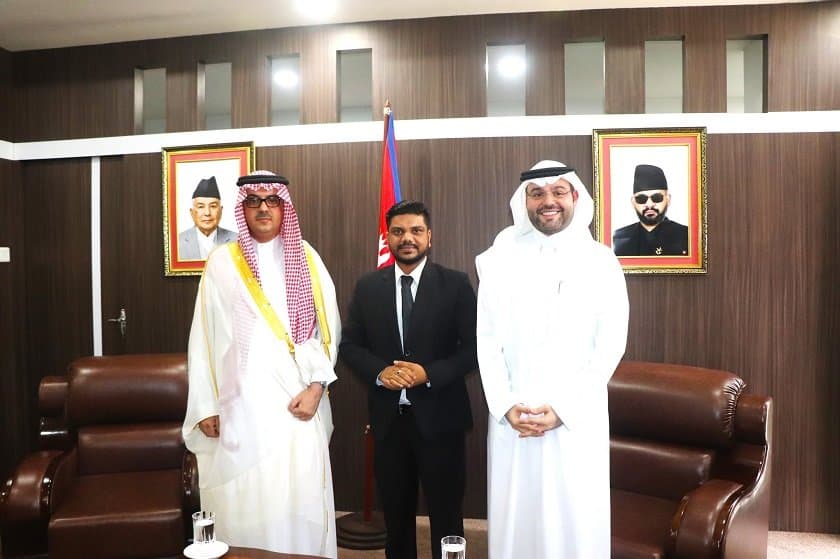
Every day spent in administrative limbo adds to their interest burden, turning a path toward prosperity into a potential debt trap. During his meeting with Saudi Ambassador Fahad Mohammad A. Al-Muneekher, Minister Ramji Yadav emphasized that these workers cannot afford to be the collateral damage of policy experiments. For a worker whose family's survival depends on a remittance check, "procedural confusion" is a personal financial catastrophe.
6. Looking Ahead: Can Policy Keep Up with People?
The standoff now rests in the hands of the Saudi authorities. While the Saudi Ambassador did not immediately agree to the pause, he has promised to consult with his government regarding Nepal’s request for a suspension.
This situation serves as a cautionary tale for the future of global migration. As nations move to standardize and certify labor, they must ensure the administrative machinery is flexible enough to accommodate the human beings it governs. If the process is too rigid, it risks breaking the very workforce it seeks to professionalize.
In the rush to standardize global labor, are we forgetting the human beings behind the certificates?